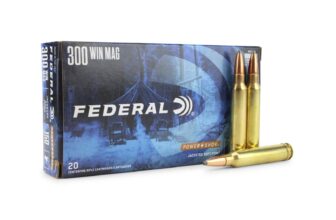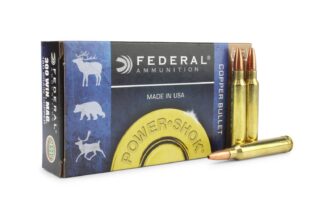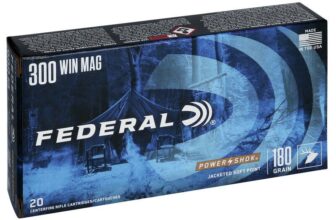
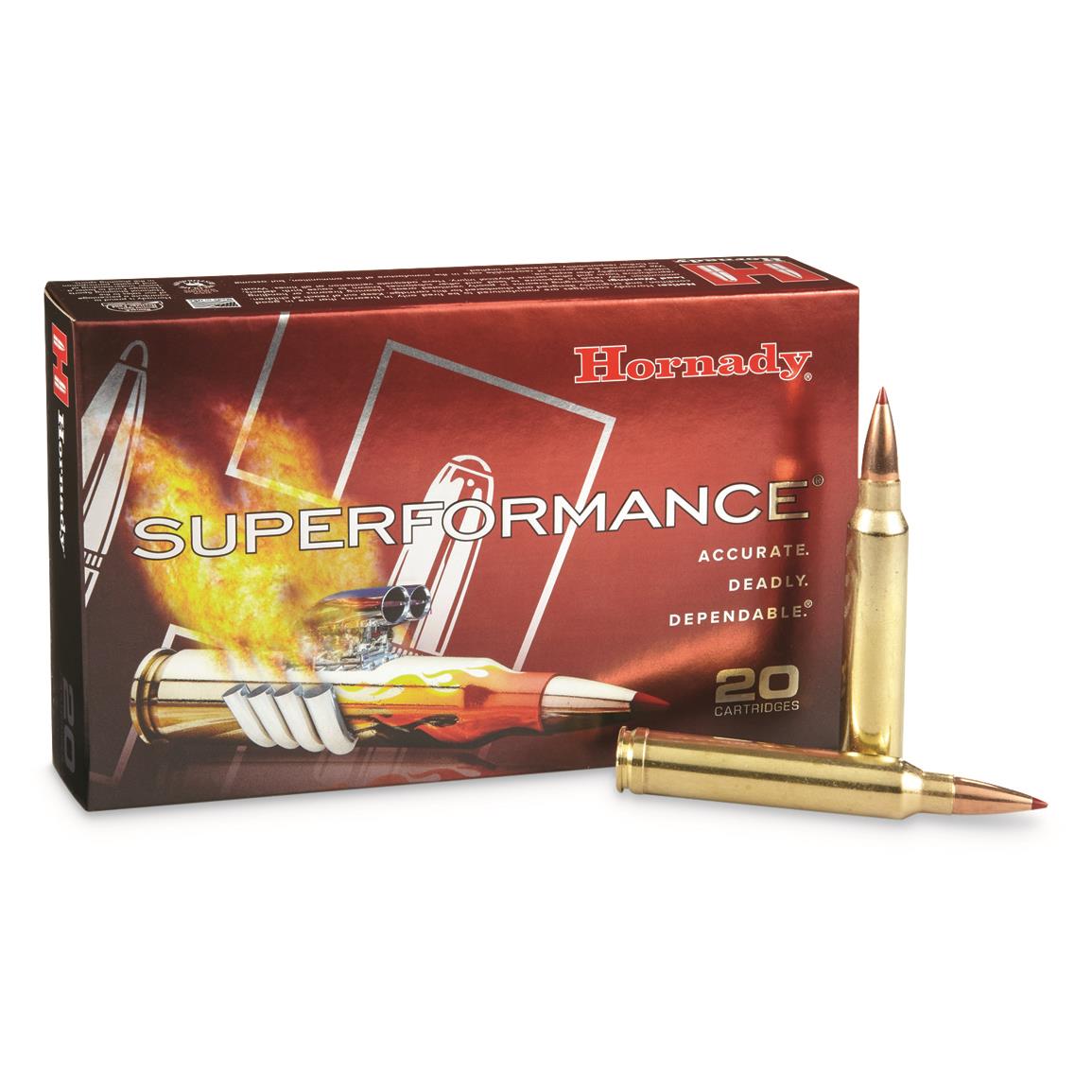
Hornady Superformance, .300 Win. Mag., CX, 165 Grain
 Ammo Reports Team


Hornady Superformance .300 Win. Mag. CX 165 Grain — Ammunition Reference
At a Glance
| Field | Detail |
|---|---|
| Primary Use | Big game hunting at extended range |
| Bullet Type | CX (Copper Alloy Expanding) — monolithic copper alloy with polymer tip |
| Bullet Weight | 165 grain |
| Case Material | Brass |
| Primer Type | Boxer |
| Packaging | 20 rounds per box |
| Typical Price | $56.99/box · $2.85/round |
| Closest Competitors | Federal Trophy Bonded Tip .300 Win. Mag. 165 gr · Barnes VOR-TX .300 Win. Mag. 165 gr TTSX · Nosler Trophy Grade .300 Win. Mag. 165 gr AccuBond |
Official Specs
| Spec | Value | Source |
|---|---|---|
| Muzzle Velocity (fps) | — | Not published for this specific load |
| Muzzle Energy (ft-lbs) | — | Not published for this specific load |
| Bullet Weight | 165 gr | Hornady |
| Bullet Type | CX (monolithic copper alloy, polymer tip) | Hornady |
| BC G1 | — | Not published |
| BC G7 | — | Not published |
| Manufacturer SKU | — | Not published in available data |
| UPC | — | Not published in available data |
| Reloadable | Yes | Brass case, Boxer primer |
Note: Hornady has not published muzzle velocity, muzzle energy, or ballistic coefficients for this specific Superformance CX 165 gr .300 Win. Mag. load in the data available at time of writing. The ballistics table below is a calculated estimate based on the CX bullet’s known construction, the 165 gr weight class, and Superformance propellant performance in .300 Win. Mag. comparable loads. All values are labeled accordingly. Community-submitted chronograph data is welcomed to improve this record.
Note: Hornady does publish velocity data for nearby Superformance loads (e.g., 180 gr GMX at 3,130 fps from a 24" barrel). The 165 gr CX load, being lighter, is expected to produce higher velocities, but no manufacturer-confirmed figure is available for this exact SKU. No energy figure is therefore published here.

Ballistics Table
Calculated estimate. Real-world results vary by barrel length, temperature,altitude, and lot. Community submissions will provide measured muzzlevelocity for comparison. Calculation assumes ~3,200 fps muzzle velocitybased on Superformance propellant performance with 165 gr projectiles in.300 Win. Mag., G7 BC of ~0.280 (estimated for CX 165 gr), 1.5" sightheight, 200 yd zero, standard ICAO atmosphere (59°F, sea level).
| Yards | ~Velocity (fps) | ~Energy (ft-lbs) | ~Trajectory (in) |
|---|---|---|---|
| 0 | ~3,200 | ~3,752 | −1.5 |
| 100 | ~2,998 | ~3,294 | +1.8 |
| 200 | ~2,803 | ~2,878 | 0.0 ← zero |
| 300 | ~2,614 | ~2,503 | −7.6 |
| 400 | ~2,432 | ~2,166 | −21.8 |
| 500 | ~2,257 | ~1,865 | −44.5 |
| 600 | ~2,089 | ~1,598 | −77.4 |
| 700 | ~1,928 | ~1,361 | −122.9 |
| 800 | ~1,775 | ~1,153 | −183.4 |
Key takeaway: Even at the estimated velocity, the Hornady CX projectile in .300 Win. Mag. retains substantial energy well past 500 yards — remaining above the widely cited 1,500 ft-lbs threshold for elk-class game through approximately 600 yards under these conditions. The 200-yard zero keeps the bullet within roughly ±2 inches of line of sight from the muzzle out to 230 yards, making holdover corrections minimal at typical hunting distances. Wind drift is not shown here; at 600–800 yards, even moderate crosswinds will displace a 165 gr bullet several inches, and field confirmation with a ballistic solver using verified velocity is strongly recommended before attempting long shots. These figures are estimates — confirmed muzzle velocity from the manufacturer or a chronograph will meaningfully change the calculated outputs.
The Hornady CX Bullet
The CX (Copper Alloy Expanding) bullet is Hornady’s lead-free monolithic hunting projectile, introduced as a replacement for the GMX in the Superformance line. Unlike cup-and-core designs, the CX is machined from a single piece of copper alloy, which eliminates core-jacket separation entirely. The polymer tip initiates reliable expansion across a wide velocity window — a practical advantage in a cartridge like the .300 Win. Mag., where impact velocities vary significantly from close shots to extended range.
The CX features circumferential relief grooves along the shank. These grooves reduce bearing surface contact with the bore, lowering pressure and allowing the use of Superformance propellants to push velocities beyond what standard powders typically achieve in factory loads. The result is a projectile that expands to approximately 1.5× its original diameter, retains nearly all of its weight, and penetrates deeply — characteristics that make it well suited to heavy-boned game.
Because the CX contains no lead, it is legal for hunting in all California counties and complies with lead-free requirements in other jurisdictions that have adopted similar restrictions. Hunters pursuing game in regulated zones should verify current local requirements, as regulations change.
Best Uses
Good fit:
- Elk, moose, and large deer at ranges from close contact out to 400+ yards where the shooter has confirmed their zero and drop data
- Lead-free hunting zones, including California and other jurisdictions with copper-only requirements
- Hunters who need a single load to cover both close-timber shots and open-country opportunities, given the CX’s wide expansion velocity window
- Situations demanding deep penetration on heavy-boned or shoulder-shot animals
- Hunters who want to avoid core-jacket separation on angled shots through heavy muscle or bone
Not the right tool for:
- Varmint or predator hunting, where rapid fragmentation and minimal meat damage are preferred — the CX is designed for deep penetration, not explosive expansion
- Budget-conscious shooters who practice extensively; at $2.85/round, range training with this load is expensive
- Jurisdictions or competitions that restrict monolithic or copper alloy projectiles (rare, but verify locally)
- Shooters whose rifles are not rated or throated for +P or high-pressure Superformance loads — consult the rifle manufacturer if uncertain
Reliability Notes
No structured submissions yet.
Based on manufacturer claims and open-source information: Hornady’s Superformance line is built around propellant blends that are stated to increase velocity by 100–200 fps compared to standard loads without exceeding standard SAAMI pressure limits. The CX bullet is described by Hornady as producing consistent mushrooming at impact velocities as low as 1,600 fps, which extends its effective range in the .300 Win. Mag. context. Field reports available in open hunting forums generally describe the CX as a reliable penetrator on elk and similar game, with exits reported on broadside shots at moderate range. No structured chronograph or terminal performance data has been submitted to this database for this specific load. All reliability observations above come from manufacturer claims or open-source community discussion, not structured or verified submissions.
Competitors
| Load | Weight | Bullet | BC G1 | Adv. Velocity | Price/box | Notes |
|---|---|---|---|---|---|---|
| Barnes VOR-TX .300 Win. Mag. 165 gr TTSX | 165 gr | TTSX (monolithic copper) | ~0.440 | ~3,080 fps (24") | ~$65–$72 | Lead-free; closest direct competitor in bullet philosophy |
| Federal Trophy Bonded Tip .300 Win. Mag. 165 gr | 165 gr | Trophy Bonded Tip (bonded lead core) | ~0.480 | ~3,080 fps (24") | ~$55–$65 | Lead core; not lead-free |
| Nosler Trophy Grade .300 Win. Mag. 165 gr AccuBond | 165 gr | AccuBond (bonded lead core) | ~0.475 | ~3,100 fps (24") | ~$60–$70 | Lead core; not lead-free; premium bonded option |
| Winchester Expedition Big Game .300 Win. Mag. 180 gr | 180 gr | AccuBond (bonded) | ~0.507 | ~2,960 fps (24") | ~$55–$65 | Heavier bullet; lead core; different weight class |
| Federal Power-Shok .300 Win. Mag. 180 gr SP | 180 gr | Soft point (cup-and-core) | ~0.383 | ~2,960 fps (24") | ~$35–$45 | Budget alternative; lead core; no bonding; adequate for moderate-range deer |
| Hornady Precision Hunter .300 Win. Mag. 212 gr ELD-X | 212 gr | ELD-X (lead core, bonded) | ~0.673 | ~2,850 fps (24") | ~$60–$70 | Premium alternative; different weight class; optimized for extreme long range; contains lead |
Price Reality
- Typical retail: $54–$62 per box of 20 rounds, depending on retailer and market conditions; case pricing (typically 10 boxes / 200 rounds) is not widely listed at time of writing
- Per-round cost: approximately $2.70–$3.10 depending on purchase price
- Barnes VOR-TX 165 gr .300 Win. Mag. runs $65–$72/box — the Hornady Superformance CX is generally less expensive than Barnes for comparable lead-free monolithic performance
- Federal Power-Shok .300 Win. Mag. runs approximately $35–$45/box — the CX load carries a meaningful premium over cup-and-core alternatives, reflecting the monolithic construction and Superformance propellant
- A price above $68/box for this load should be considered overpriced relative to the current market unless supply conditions are exceptional
Prices change. Check the Where to Buy block for current listings.
Where to Buy
Hornady Superformance, .300 Win. Mag., CX, 165 Grain, 20 Rounds
Affiliate links. These do not influence ratings, data, or any editorial content on this page.
FAQ
Is the Hornady CX bullet in this load truly lead-free, and does that matter for California hunting?Yes — the CX is a monolithic copper alloy projectile with no lead core, making it fully compliant with California’s Ridley’s Law lead-free ammunition requirement, which applies to all hunting with a firearm statewide. If you hunt deer, elk, or any other game in California, this load satisfies the legal requirement without needing a separate "California-legal" variant. Hunters in other states with partial or county-level lead-free requirements should verify current regulations, as rules vary and change. The absence of lead also eliminates concerns about lead fragmentation in edible tissue, which some hunters consider regardless of legal requirements.
How does the CX bullet differ from the older Hornady GMX that it replaced?Both are monolithic copper alloy bullets with polymer tips, but the CX features relief grooves machined into the shank that reduce bearing surface. This design lowers bore friction and pressure compared to the GMX, allowing Hornady to optimize the Superformance propellant charge for higher velocity within SAAMI pressure limits. The CX is also reported to have a revised tip geometry that initiates expansion more reliably at lower impact velocities than the GMX did. In practical terms, hunters who used the GMX can expect similar terminal behavior from the CX with modestly improved velocity and a slightly wider effective range envelope.
Is the .300 Win. Mag. with a 165 gr CX appropriate for elk at distances beyond 400 yards?The .300 Win. Mag. is a capable elk cartridge at extended range, and the 165 gr CX retains sufficient energy and velocity for reliable expansion well past 400 yards under estimated ballistics. However, the practical limit depends entirely on the shooter’s ability to confirm drop, account for wind, and place the bullet precisely — not the cartridge’s energy alone. At 500 yards and beyond, small ranging or wind-reading errors produce large misses or wounding hits. Most experienced hunters and guides recommend keeping shots on elk inside distances where the shooter has verified their data from a field position, which for most hunters is well under 500 yards regardless of cartridge capability.
Why doesn’t Hornady publish velocity data for this specific CX load, and how reliable is the calculated table above?Hornady publishes ballistic data selectively, and at the time of this writing, no confirmed muzzle velocity figure is available for this exact SKU in the Superformance CX 165 gr .300 Win. Mag. configuration. The calculated table uses an estimated muzzle velocity derived from Superformance propellant performance in comparable .300 Win. Mag. loads and the CX bullet’s known construction — it is a reasonable planning estimate, not a confirmed specification. Real-world velocity will vary by barrel length (Hornady typically tests in 24" barrels), temperature, and lot variation. Shooters planning precision long-range work should chronograph this load from their specific rifle before relying on any published or calculated drop figures.
How does this load compare to the Barnes VOR-TX 165 gr TTSX in the same caliber?Both the Hornady Superformance CX and Barnes VOR-TX TTSX are lead-free monolithic copper expanding bullets in the same weight class, making them the two most direct competitors in this category. The primary differences are propellant system and price: Hornady’s Superformance line is designed around a higher-energy propellant blend that typically pushes velocity above what Barnes achieves in standard VOR-TX loads, while Barnes VOR-TX is generally priced higher per box. Terminal performance is broadly similar — both expand reliably, retain nearly all weight, and penetrate deeply. Hunters choosing between them may find the decision comes down to price, rifle preference (some rifles show better accuracy with one over the other), and availability in a given market.